TPO vs. Other Commercial Roofing Options
Choosing the right commercial roofing system depends on your building’s design, budget, energy goals, and long term maintenance expectations.
Common TPO Roof Problems We Find During Inspections
- Retail Centers
- Shopping Centers
- Office Complexes
- Manufacturing Facilities
- Healthcare Facilities
- Educational Facilities
- Hotels
- Low Slope Commercial Roofs
Our TPO Roofing Services
Choosing the right commercial roofing system depends on your building’s design, budget, energy goals, and long term maintenance expectations.
New TPO Roof Installation
- New Commercial Construction
- Roof System Design
- Fully Adhered & Mechanically Attached Systems
- 45, 60 & 80 Mil Membranes
- Energy Efficient Roofing Solutions
TPO Roof Repair & Maintenance
- Membrane Repairs
- Open Seam Repairs
- Flashing Repairs
- Drainage Corrections
- Storm Damage Repairs
- Preventative Maintenance
TPO Roof Replacement
- Aging Roof Systems
- Recurring Leak Problems
- Storm Damaged Roofs
- Full Tear Off & Replacement
- Insulation Evaluation
- Long Term Performance Solutions
Common Applications For TPO Roofing
Not every TPO roofing issue requires a full replacement. During inspections, our team looks beyond visible leaks to identify the underlying causes of roofing problems and help property owners make informed decisions about repairs, restoration, or replacement.
- Open Or Failing Seams - TPO membranes rely on heat welded seams to create a watertight roofing system. Over time, weather exposure, installation issues, or membrane movement can cause seams to separate, allowing water to enter the system.
- Ponding Water - Standing water that remains on a roof for more than 48 hours can indicate drainage issues. While TPO membranes are designed to resist water, chronic ponding can accelerate wear, stress seams, and increase the risk of leaks.
- Membrane Punctures - Foot traffic, dropped tools, storm debris, and rooftop equipment can puncture the membrane. Even small openings can allow moisture to reach the insulation and roof deck below.
- Flashing Failures - Roof penetrations, HVAC curbs, vents, and edge details are common leak points. Damaged or deteriorated flashing can compromise the roof system even when the membrane itself remains in good condition.
- Wet Insulation Beneath The Membrane - Water intrusion is not always visible from the surface. During inspections, we evaluate whether moisture has become trapped beneath the membrane, reducing insulation performance and potentially impacting the roof structure.
- Storm And Wind Damage - Florida storms can place significant stress on commercial roofing systems. High winds may loosen membrane attachments, damage flashing components, or create vulnerabilities that lead to future leaks.
- Recurring Leaks - If the same leak continues to return despite previous repairs, the problem may extend beyond the visible area. Our inspections focus on identifying the root cause rather than repeatedly treating symptoms.
- Drainage Problems- Improper slope, clogged drains, and drainage design issues can contribute to premature roof deterioration. Addressing drainage concerns often helps extend the life of the roofing system.
Our TPO Roofing Process
Commercial roofing projects require planning, coordination, and clear communication, especially for occupied buildings and active business properties. Here’s what you can expect from our roof replacement process:
Initial Assessment & Quote
- Roof Condition Assessment
- Drainage Evaluation
- Insulation Review
- Project Recommendations
System Design & Permits
- Membrane Selection
- Attachment Method Selection
- Permit Coordination
- Project Scheduling
Installation & Quality Control
- Roof Preparation
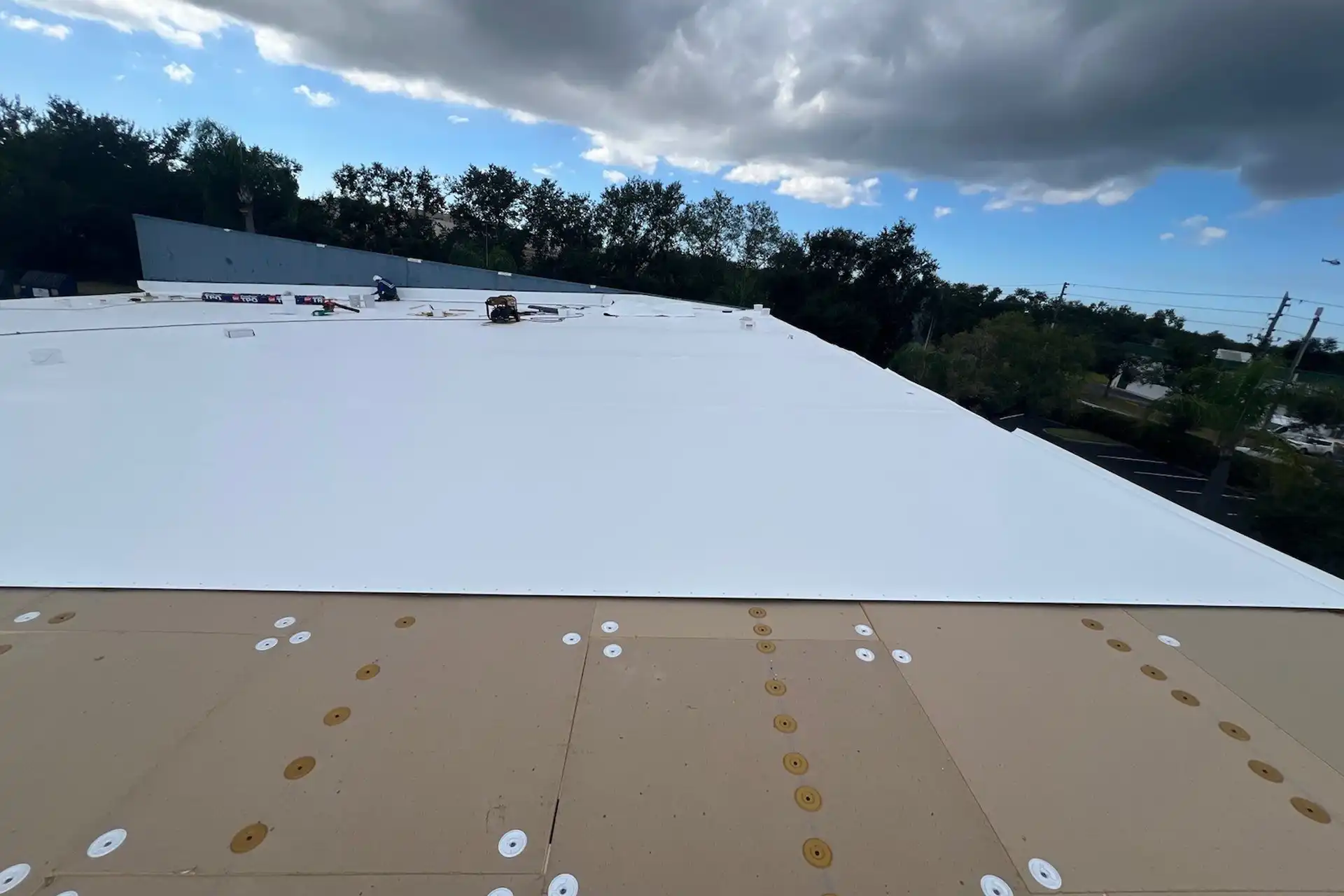
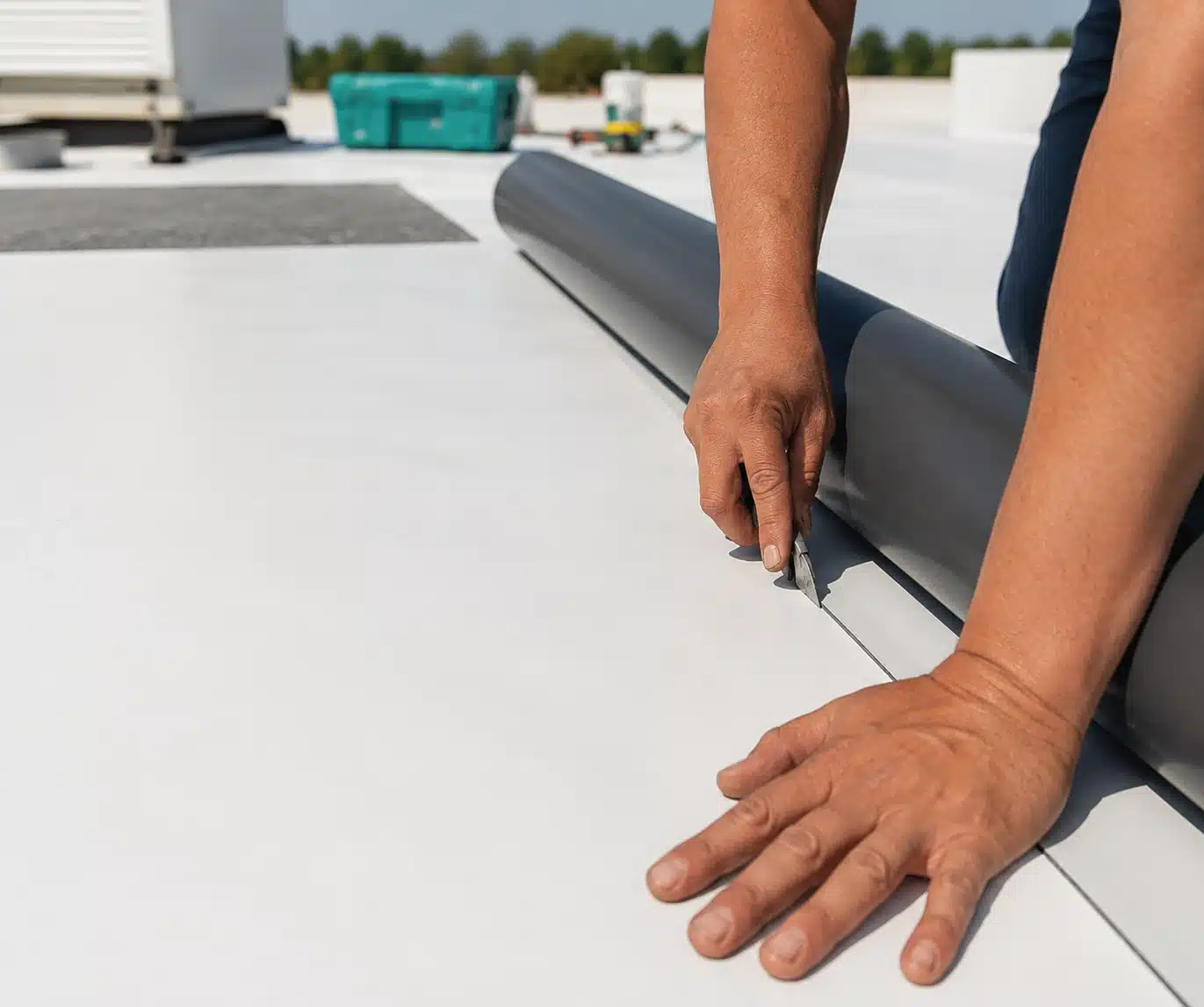
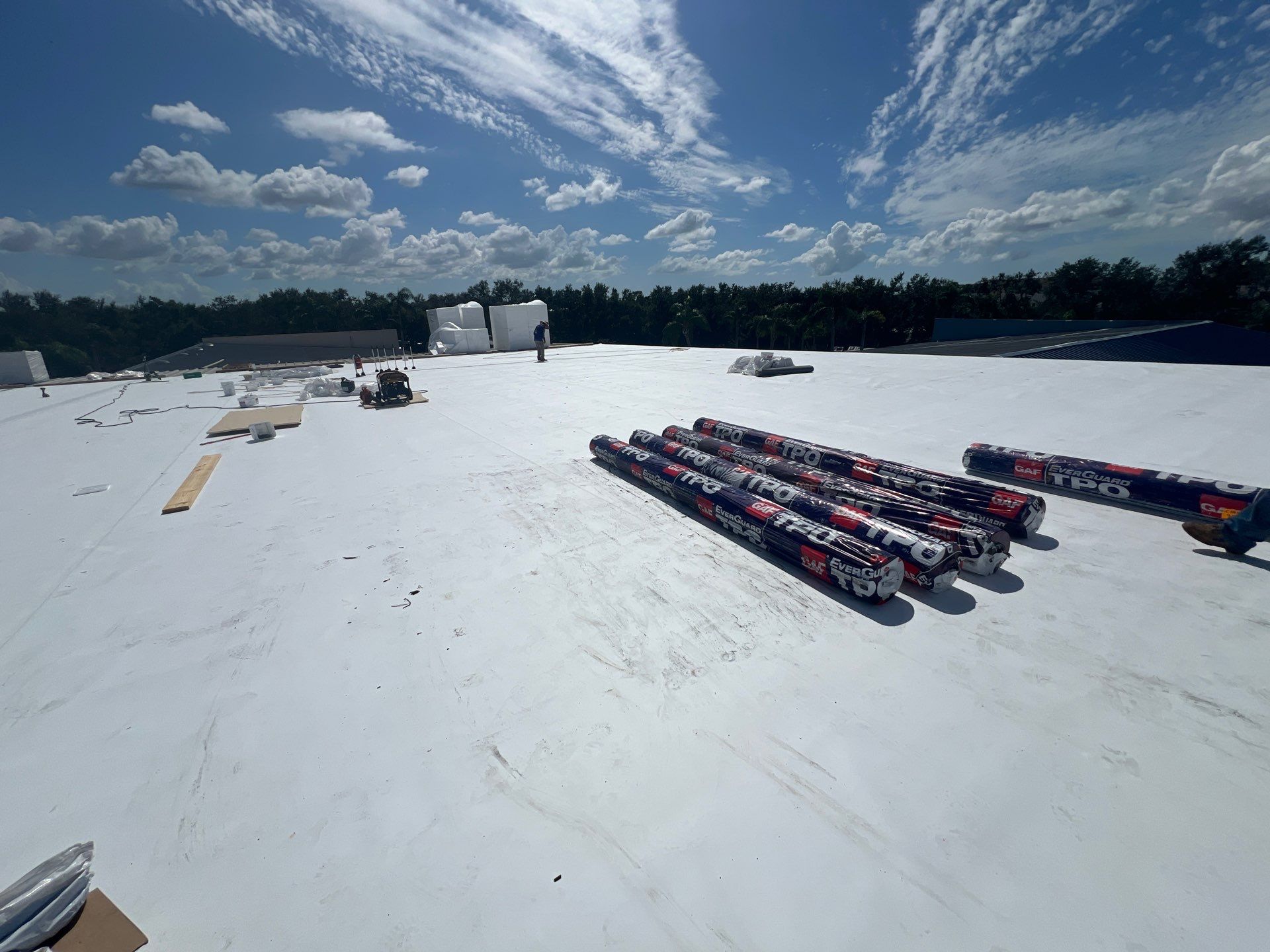
- TPO Membrane Installation
- Heat Welded Seam Assembly
- Flashing & Drainage Integration
Final Inspection & Warranty Registration
- Quality Control Review
- Seam Inspection
- Warranty Registration
- Maintenance Recommendations
TPO Performance in Florida's Climate
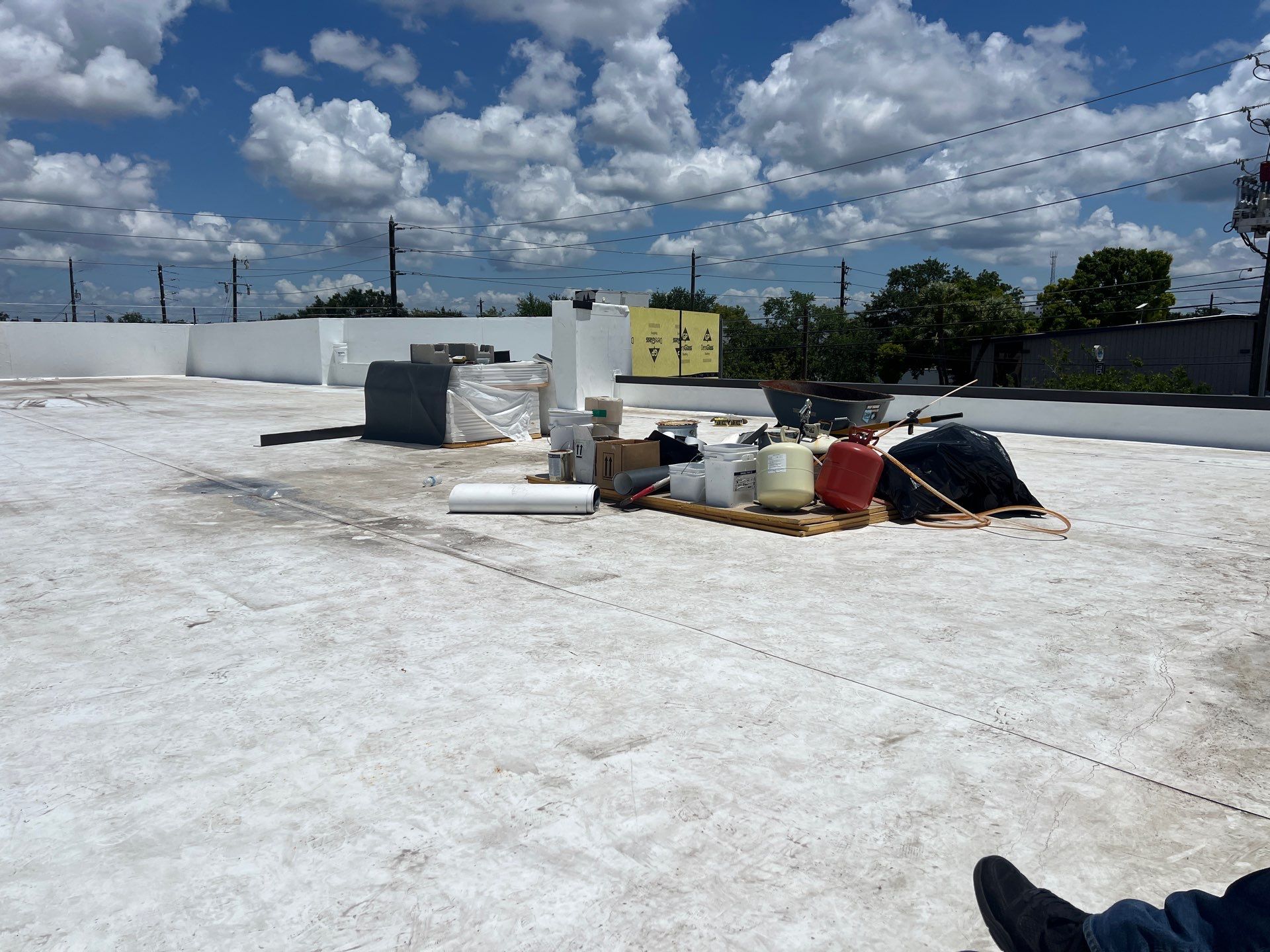
High temperatures, sudden storms, standing water, salt air in coastal areas, and year-round sun exposure can shorten the lifespan of roofing materials if the wrong system is installed.
TPO systems are designed with these conditions in mind. With proper installation, TPO roofing can:
- Reflect heat and UV rays
- Resist moisture intrusion
- Handle thermal expansion and contraction
- Meet Florida wind uplift requirements
Frequently Asked Questions
How long does TPO roofing last in Florida?
What does TPO roofing cost per square foot?
How does EPDM perform during hurricanes and severe weather?
Can TPO roofing withstand hurricanes?
Is EPDM better than TPO roofing?
How is TPO roofing installed?
Is TPO roofing energy efficient?
Still have questions?
Customer Reviews
More than 1,000 five-star Google reviews reflect the service standards we work to deliver on every roofing project. Florida homeowners and business owners have repeatedly recognized our professionalism, communication, workmanship, knowledgeable team, smooth project execution, and job site cleanup.


Start With a
Free Roof Assessment
Whether you are dealing with a roof leak, storm damage, an aging roof, or planning ahead for replacement, our team can help you understand the next step. Schedule your free, no-obligation roof assessmenttoday.