In This Article
Terracotta roofs have a storied history in Florida that has continued to the present day. But despite their undeniable popularity, especially in the Greater Tampa Bay area, terracotta tile roofs are not for everyone. So how are you supposed to decide if terracotta roofing is right for your home?
Well, one option is turning to experienced local roofers for advice! We’re Classic Roofing and Construction, and with hundreds of five-star reviews and over two decades of local roofing experience, we’re uniquely qualified to explain the good and the bad of terracotta roofing. But before we get into the pros and cons, let’s talk about what sets terracotta roofing tiles apart from other tile roofing options.
What are Terracotta Roof Tiles?
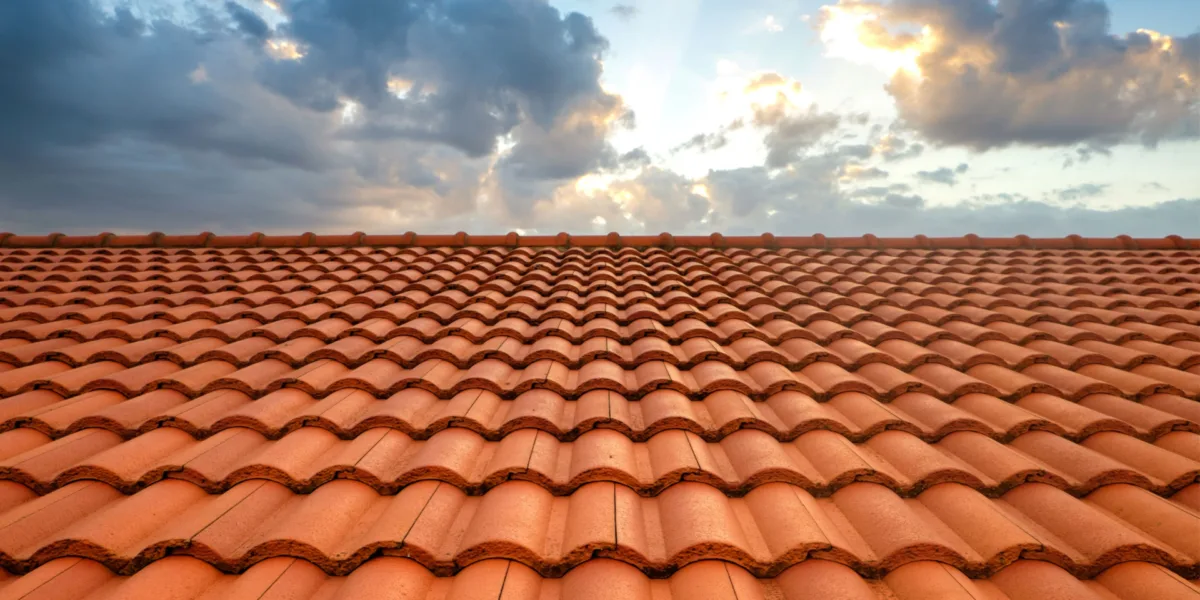
If you’ve been in Florida for any length of time, you’ve seen terracotta roofs. Known for their distinctive red hue, these sloped roofing materials first came to North America via the Spanish settlers immigrating to Florida.
But what sets terracotta roofing apart from other types of tile roofing?
Well, the next most common type of tile roofing is concrete. This material is often used as a cheaper alternative to terracotta roofing, thanks to the reduced cost of shaping cement compared to baking and molding clay into terracotta. However, while they’re more affordable, they simply can’t compete with terracotta roofing when it comes to durability and longevity.
Pros and Cons of Terracotta Roofing
Now that we’ve got a good overview of terracotta roofing tiles, let’s look at the good and the bad of this luxury roofing material.
Pro: Terracotta Roofing Is Built to Last
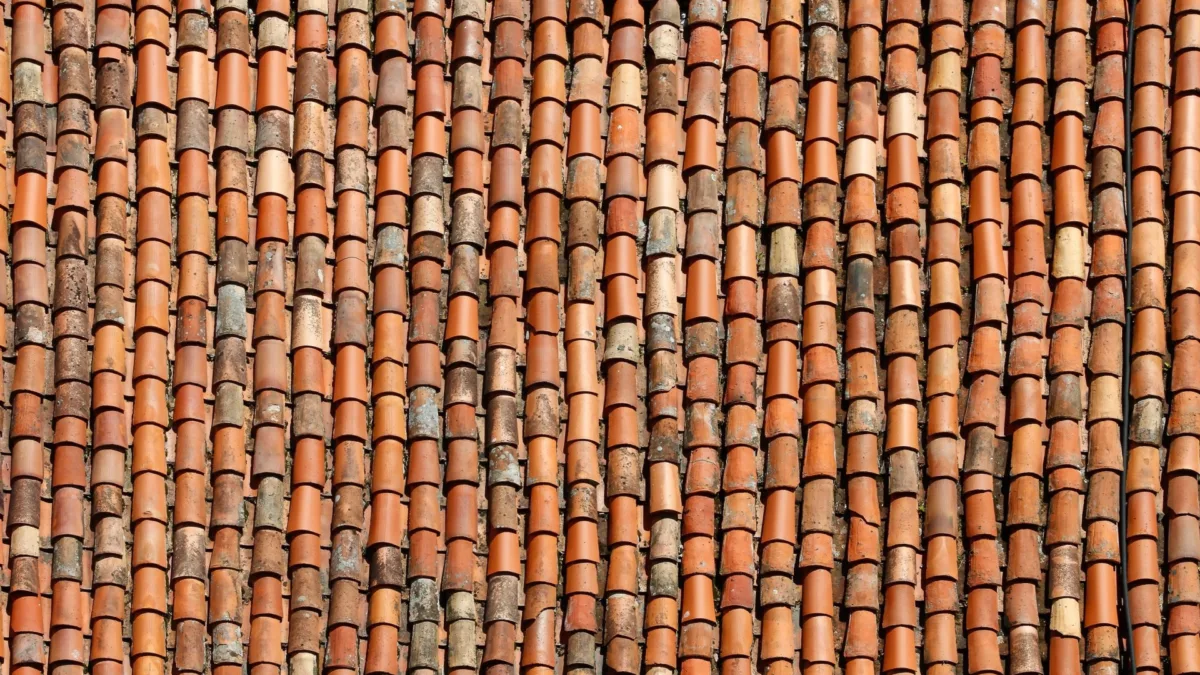
Naturally, many homeowners prioritize a roof that won’t need replacing anytime soon. And if you want a long-lasting roof, there’s no better option than terracotta roofing. A traditional shingle roof will only last 25 years at the most, but terracotta tile roofing can last for over 100 years!
It’s important to know that you may not keep all of the individual tiles for that length of time. But while a shattered or otherwise damaged tile can be annoying, replacing tiles is a quick and easy repair, especially when compared to the cost of removing and replacing your entire roofing system.
Con: Terracotta Tiles Are Not Cheap
People choose terracotta roofs because they’re beautiful, timeless, and reliable. However, they certainly don’t choose them because they’re cheap to install. In fact, as a luxury roofing material, terracotta tiles are some of the most expensive roofing materials that you could choose for your home.
So how much do they cost? Well, without knowing your roof, the best we can give is a rough estimate. With that in mind, terracotta tiles can cost anywhere from $9 to $26 when including material and labor costs. So for a 3,000-square-foot roof, that means you can expect to pay between $27,000 and $78,000.
For many homeowners who can afford it, though, terracotta roofing is worth the price tag. Its unbeatable longevity makes it an excellent investment in the long-term protection of your home.
Pro: Tile Roofs Have a Classic, Local Beauty
Tile roofs have been a staple in Florida roofing for around five hundred years. In terms of aesthetics, they perfectly suit the local climate and can give your home that perfect finishing touch. This is another reason that homeowners are willing to invest in terracotta roofing: It drastically increases your home’s curb appeal.
And while terracotta roofs are certainly worth appreciating solely for their beauty, that isn’t the only advantage of their great aesthetics. Having higher curb appeal also translates to higher resale value for your home. And since tiles are a timeless feature of Florida living, you don’t have to worry about them losing value with age or falling out of style. So even if you don’t plan to sell your home in the next decade, getting a tile roof today could still pay off in the long run.
Con: Terracotta Roofing Is Heavy
One of the biggest hurdles to getting a terracotta tile roof is making sure that your roof is ready for its weight. Terracotta tiles are remarkably heavy, weighing between 600 and 1,5000 pounds per 100 square feet of material. If your roof isn’t prepared for that kind of weight, it could cause your entire roofing system to collapse.
The best way to make sure your roof is ready for this weight is to get an inspection with a licensed roofing contractor. If they find that your roof needs additional support to handle this weight, they can add these supports during the roof replacement process. However, you should know that this will further increase the costs of your terracotta roof replacement.
Pro: Terracotta Roofing is Florida-proof
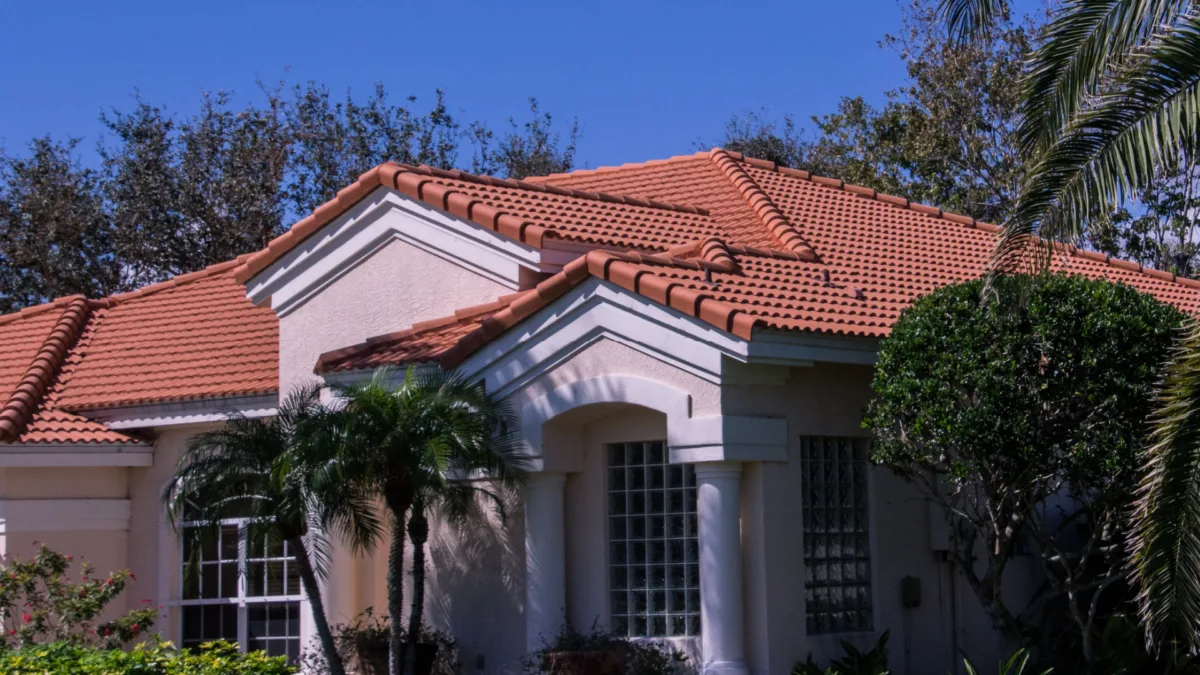
No roofing material can guarantee protection, but terracotta roofing is excellent at resisting some of the most common roof killers in Florida. Let’s look at the ways that terracotta tiles stand up to the local weather patterns:
- High wind resistance, including winds of up to 180 mph
- Class A fire resistance
- UV-reflective, so they move heat away from your structure
- Immune to rot and highly resistant to pest infestations
This is the kind of protection that can outlast hurricanes. So in addition to being an investment in beauty and longevity, terracotta roofing also represents an excellent investment in security.
Frequently Asked Questions About Terracotta Roofing
What is terracotta roofing?
Terracotta roofing refers to clay tile roofing made from natural clay that is shaped and fired, producing a distinctive earthy color and long-lasting roof covering. It is known for durability and traditional architectural appeal.
How long does a terracotta roof typically last?
Terracotta roofs can last 50 to 100 years or more when properly installed and maintained. Their lifespan is often longer than most other roofing materials due to their resistance to sun, moisture, and decay.
Is terracotta roofing suitable for Florida’s climate?
Yes, terracotta roofing performs well in hot climates like Florida because it reflects heat and resists sun exposure. However, proper installation and underlayment are important to ensure performance during heavy rain and high winds.
What are the pros and cons of terracotta roofing?
Pros include exceptional durability, fire resistance, and unique aesthetic appeal. Cons can include higher upfront cost, greater weight requiring structural support, and the need for skilled installation to avoid breakage.
How does the cost of terracotta roofing compare to other materials?
Terracotta roofing generally costs more upfront than asphalt shingles or some metal roofs due to material and specialized installation requirements. Over time, its long lifespan and low maintenance can make it a cost-effective choice for the right home.
Get Your Free Terracotta Roofing Estimate
The only way to know how much a new terracotta roof will cost you is by collecting estimates. And at Classic Roofing, we’re happy to provide free roofing estimates that you can schedule online. Because why would we make it harder to get that perfect new roof you’ve been looking for?
At Classic, we’ve been providing world-class terracotta roof replacements since 2003. If you want to see how we earned that kind of longevity in the competitive business of roofing in Florida, give us a chance and see why, after all this time, we still do things the Classic way.