
What Is the Best Roofing Material for High Winds?
Florida’s hurricane season is right around the corner, and that means every property in Florida has a real chance of being pummeled by extreme winds. Naturally, this makes a lot of property owners nervous, so a lot of people are wondering, what’s the best roofing material for high winds?
Classic Roofing & Construction has been installing roofs in Florida for 20 years, so we know how to help you get answers. And if you’re considering a roof replacement in 2023, now is a great time to do it since hurricanes are most likely to hit in the month of September. To help you make the best choice for yourself, we’re going to share everything you need to know about the best roofing materials for hurricanes.
Factors to Consider for the Best Roofing Material for High Winds
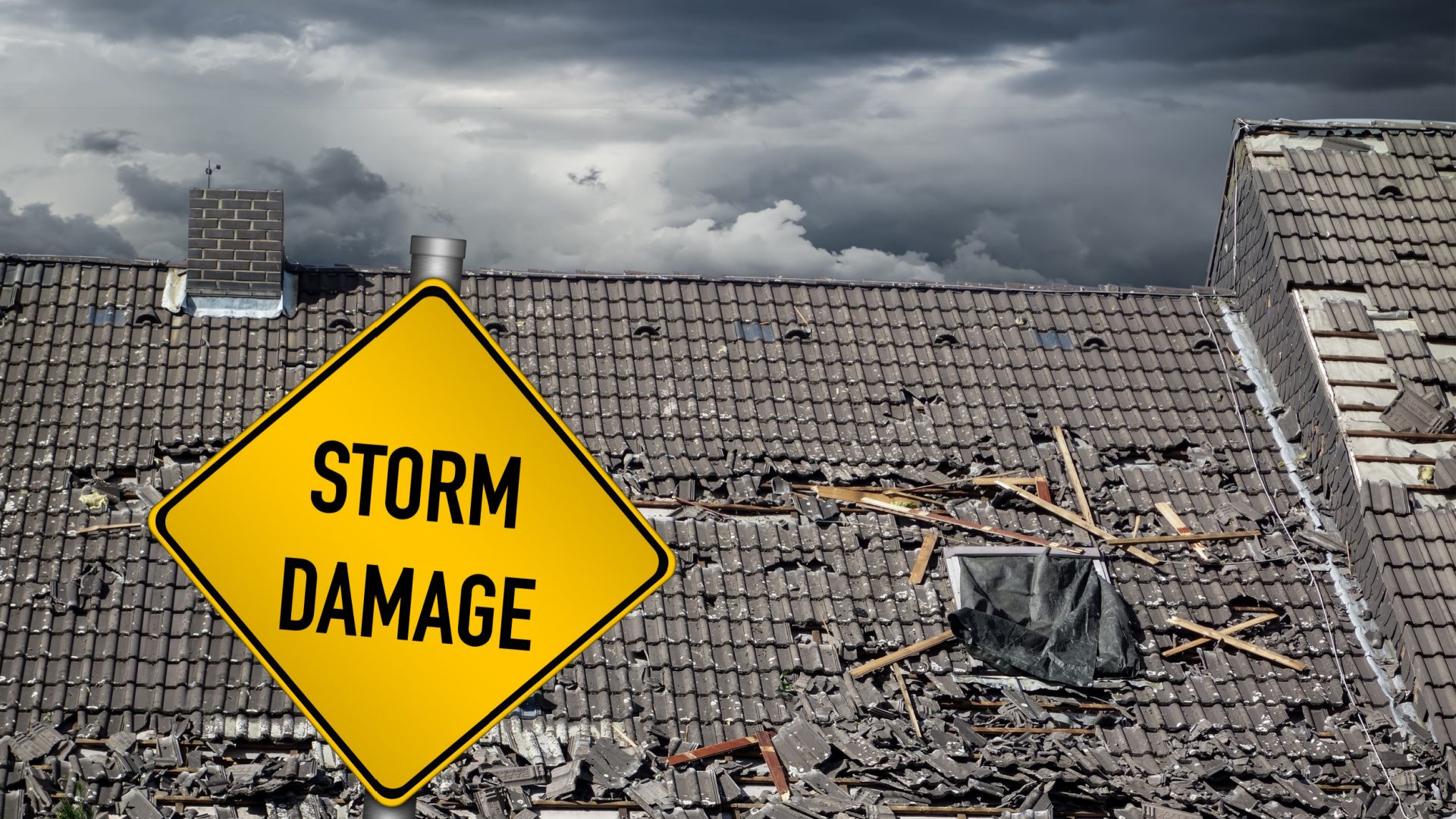
Unfortunately, determining the best roofing material for high winds isn’t as easy as just looking at one factor. First, we need to establish what kind of stressors a hurricane could mean for your structure’s roof.
If you own property in Florida during hurricane season, then your roof will need to withstand:
- High Winds: Hurricanes can create sustained winds in excess of 157mph. This means that your roofing material needs to be able to stay attached to your structure under extreme pressure. And more than that, it needs to not move at all: Creasing is a common issue where shingles move up and down in the wind, becoming weaker over time. In this way, high winds can cause damage that you might not notice until months after the hurricane.
- Torrential Downpours: Hurricanes don’t just come with high winds—they also come with heavy rain. And that much rain also applies pressure to your roof, which is why it’s essential to use a resilient roofing material. Additionally, if rain gets trapped under your roof, it can lead to algae and mold. This is another way that hurricanes cause subtle, long-lasting damage to your roof.
- Flying Debris: In a hurricane, you can bet that there will be flying debris. And it’s important that your roofing material can stand up to this, otherwise it could cause damage to your roof. Moreover, debris that gets trapped on your roof can become a hotbed for pests and rot.
Clearly, hurricane-proofing your roof involves more than just picking the best roofing material for high winds. It also means scheduling a roof inspection after a hurricane to make sure there’s no lasting damage. But now that you understand the different stressors that a hurricane can put on your roof, it’s time to look at some of the best roofing materials for high winds.
Choosing the Best Roofing Material for Hurricane Protection
As a Floridian, you naturally want the best quality roof for your home or business. Now let’s look at some of your options when it comes to installing the best roofing material for high winds.
Wind-Resistant Shingles
Normally, shingles are not considered the best roofing material for high winds. A standard asphalt shingle can typically withstand winds up to around 70 mph, which makes them less reliable during hurricane season. That said, not all shingle roofing systems perform the same.
At Classic, we focus on using high-performance shingle systems that are designed to better protect your home. The shingles we install are engineered and tested to handle significantly higher wind speeds, with some rated to withstand winds up to 150 mph when installed as part of a complete roofing system.
Of course, no roofing material is completely immune to extreme weather. But with proper installation methods and high-quality materials, a shingle roof can still be a durable and dependable option. We also stand behind our work with strong warranty coverage, giving homeowners added confidence in the long-term performance of their roof.
Tile Roofing
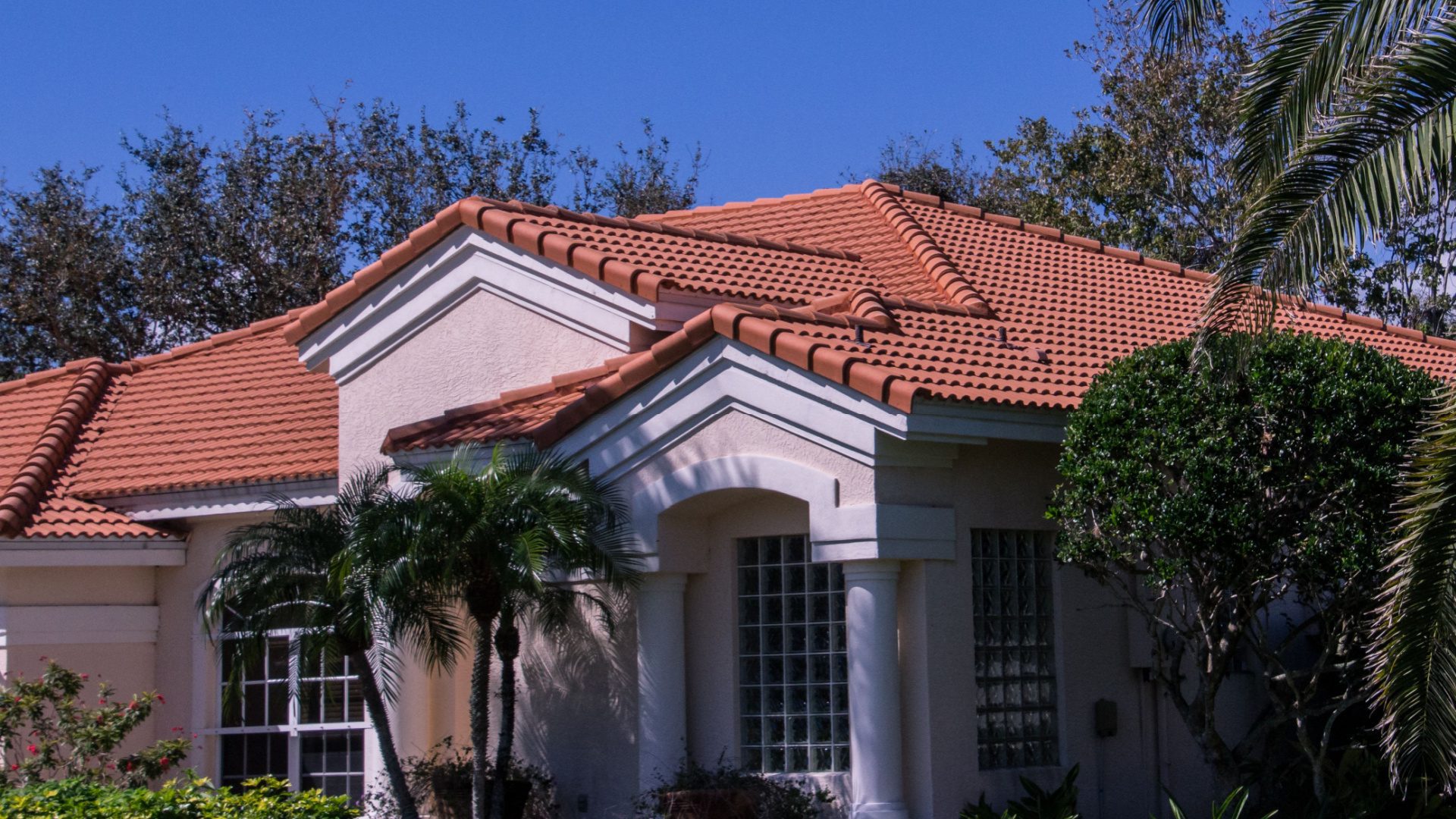
Many people living in Florida use Spanish tiles, which are usually made from concrete or clay. There are also other forms of tiles that can offer increased protection in a storm. But regardless of the material, tiles almost universally outperform shingle roofing in wind resistance. This is because they’re sturdier and heavier, which helps them withstand high winds.
But tile roofing isn’t good at resisting high winds simply because it’s heavier. The curve of tiles also allows the wind to move past it more easily, which results in less pressure on your roof and a lower risk of losing tiles in a storm.
However, it’s not as simple as saying that tile is the best roofing material for high winds, either. Depending on the material they’re made of, tiles can break upon being struck by windborne debris. For this reason, you should consider other roofing materials before making a decision on your roof replacement.
Metal Roofing
Metal roofing is among the best roofing materials for high winds available in Florida. Unlike tiles or shingles, metal roofs are unlikely to experience wind uplift during a hurricane. In fact, most metal roofing systems can withstand winds of up to 160mph.
And when it comes to debris, metal roofing stands up impressively. While no roof is immune to exterior damage, the steel in the majority of metal roofing systems is strong enough to withstand most airborne debris. But keep in mind that you’ll still want to make sure no debris is sitting on top of your roof after a hurricane. If not, you could find yourself with a new pest problem.
Metal roofs aren’t just sturdy, though—when installed correctly, they’re also water-tight. This seal will prevent any mold or rot from developing on your roof, which will extend your roof’s life and keep your structure safe from hurricanes for decades to come.
If metal roofing has any clear downsides, it’s that some people don’t like the aesthetics. But at Classic, we use American metal roofs from Metal Roofing Systems Inc., which come in a variety of colors to match your vision. And in terms of performance, metal roofs are a strong contender for the best roofing material for high winds.
Install the Best Roofing System for High Winds Soon
The further we get into hurricane season, the higher the risk of high winds and rain coming to Florida. And there is clearly no shortage of options: shingles, tiles, and metal are all some of the most popular wind-resistant roofing materials, and choosing between them can be difficult.
But at the end of the day, only you can decide what the best roofing material for high winds is for your home or business. Each material comes with pros and cons, so it’s up to you to pick the most appealing option for your situation. And once you have, the only thing left to do is reach out to the roofing experts at Classic to get it installed.