
New Roof Cost in Hillsborough, Pinellas & Pasco Counties, FL
How much does a new roof cost? It’s an eternal question with answers that seem to change from moment to moment. With different roofs and different roofing materials having wildly different price points, it can seem impossible to get reliable roof replacement pricing information.
But we’re here to make things easier for you. Classic Roofing and Construction has been replacing roofs in Florida for over 20 years, so we know the ins and outs of pricing. Today, we’re putting that expertise to use and telling you how much your new roof could cost. Keep reading for a complete pricing guide to Florida roof replacements!
Average New Roof Cost in Florida
Obviously, we can’t tell you exactly how much your new roof will cost without knowing the specifics of your roof. But that doesn’t mean we can’t help. Before you receive your free roofing estimate, you can get a rough idea of roof prices by looking at some local averages.
For example, on average, a new shingle roof in Florida will cost around $12,000. But what does “around” mean? And what about other roofing materials?
We’ve got answers to all these questions and more. Look below for our full guide to the new roof costs of different roofing materials:
- Architectural Shingles: Costs range from four to nine dollars per square foot. For a 1,500-square-foot structure, that means that, for materials, new roof costs fall between $6,000 and $13,500.
- Clay Tiles: Clay tiles cost between $12 and $25 per square foot. On a 1,500-square-foot home, this price range looks like $18,000 to $37,500.
- Concrete Tiles: Concrete tiles are somewhat more affordable with prices between $11 and $20. If your roof has 1,500 square feet, then prices range from $16,500 to $30,000.
- Corrugated Metal Roofing: These metal roof sheets cost between six and $12 per square foot. On a 1,500-square-foot structure, that’s $9,000 to $18,000.
- Standing Seam Metal Roofing: This more expensive metal roofing option costs between nine and $20 per square foot. Over 1,500 square feet, this equals out to $13,500 to $30,000 in new roof costs.
- TPO: This flat roofing material costs between three and eight dollars per square foot. On a structure with a 1,5000-square-foot roof, the materials for a roof replacement would cost between $7,500 and $12,000.
- EPDM: With a price of four to $12 per square foot, an EPDM flat roof of 1,500 square feet could cost between $6,000 and $18,000.
- Modified Bitumen: Like TPO, mod bit costs between three and eight dollars per square foot. This means that it has the same price range on a 1,500-square-foot structure of between $7,500 and $12,000.
As you can see, no matter what you pick, roof replacements aren’t cheap. And these are just the manufacturing costs. Let’s take a look at how the specific details of your structure could raise or lower your total new roof cost.
Factors That Affect Roof Replacement Costs
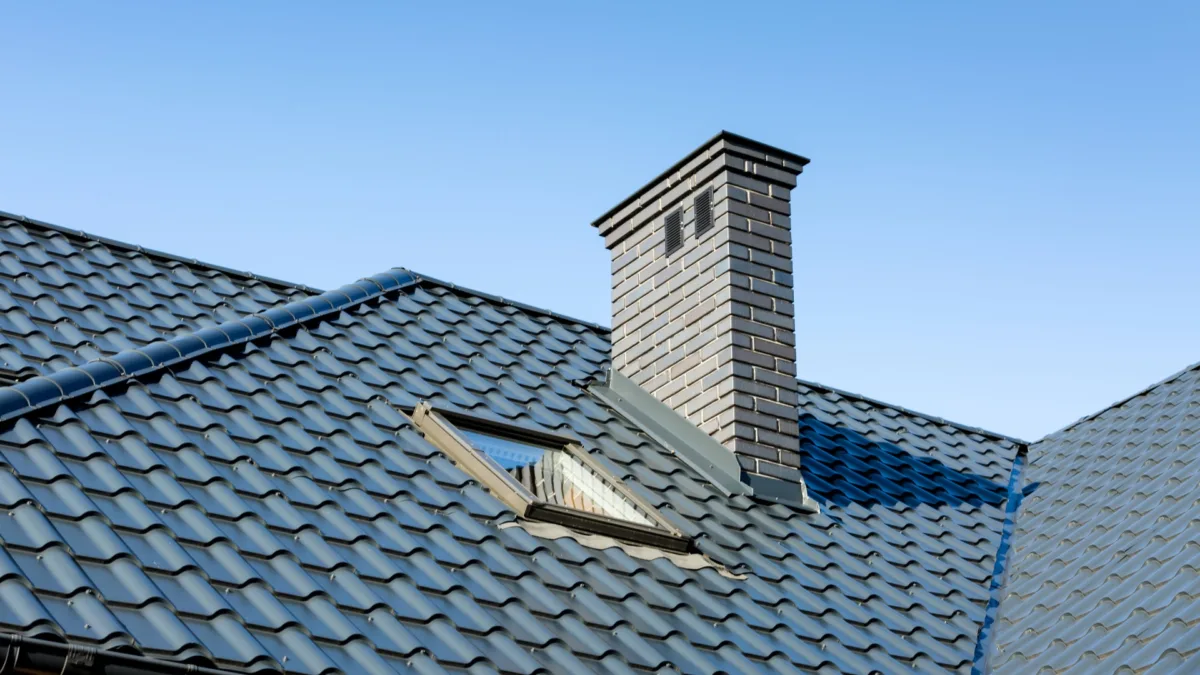
In addition to roofing material prices, many other factors will play a role in determining how much your new roof costs. Let’s look at some of the biggest factors and what they could mean for the price of your new roof.
Roof Size and Complexity
You probably know that a larger roof will cost more to replace. But you may not have known that unique roofing features can also increase roof replacement prices. For example, having an HVAC system on a flat roof will increase costs because it requires roofers to work around it.
Other factors that influence roofing prices include:
- Dormer windows
- Chimneys
- Skylights
- Multiple peaks and valleys
Roof Accessibility
How easy your roof is to access will go a long way in determining labor costs. For example, a roof with an extremely steep pitch will be more difficult to work on. Similarly, having thick, unruly plants around your structure on all sides could greatly increase your new roof costs.
This is because, in the above situations, it takes more time and effort to remove and replace your roof. As a result, your roof may require more experienced roofers working longer hours, both of which can get pricy and drive your total price higher than the average new roof cost.
Underlying Roof Damage
The state of your roof can also impact how much you pay to have it replaced. One of the most common areas in which we see this is damage to roof decking. Decking is the wooden support that goes across your roof and provides support for your chosen roofing material.
But if your old roof was damaged, then your roof decking could be too. Typically, this means water damage causing mold or rot to spread throughout the roof decking. If this has been going on for an especially long time, this damage can spread to large sections of your decking, which will need to be replaced along with the rest of your roof.
Choosing Reliable Roofers Gets You Low New Roof Costs
One of the best things that you can do to save money on a roof replacement is carefully picking your roofers. One factor of this is honesty—everyone wants roofers who will give fair, transparent pricing. But there is another reason to choose experienced roofers: long-term roofing costs.
You shouldn’t think of your new roof as only costing what you pay to have it installed. Instead, you should consider the total costs across the lifetime of your roof.
For example, you might get an offer to replace a shingle roof for $6,000. On the face of it, this is a great deal! But if you’re using unreliable roofers who offer cheap labor and low-quality roofing materials, then it could end up costing you a lot more. Specifically, you could find yourself dealing with shingles coming off even in minor storms, leaks, ventilation issues, and a host of other roofing problems. And repairing all of these can easily cost you more than you saved on your cheap roof installation.
That’s not how we do business at Classic. Instead, we use reliable roofers who know what they’re doing. That, combined with our commitment to providing great roof replacement prices, allows us to give transparent, fair estimates on a roof that you know will last and withstand Florida’s unpredictable weather.
If you want to learn more about what we can offer, schedule your free roofing estimate. From there, we’ll provide you with an exact new roof cost that’s custom-tailored to your roof and your needs. Give us a chance and get your free estimate to see what Florida’s top roof replacement pros can do to help you!
FAQs
How Much Does A New Roof Cost In Florida?
The average cost of a new roof in Florida typically ranges from $8,000 to $30,000+, depending on the roofing material, roof size, complexity, and installation requirements.
What Is The Average Cost Per Square Foot For A Roof Replacement?
Most roof replacements cost between $4 and $15+ per square foot, depending on the roofing material, labor requirements, and project complexity.
Does Roof Size Affect Replacement Costs?
Yes, larger roofs generally cost more to replace because they require additional materials, labor, and disposal services.
Why Do Roofing Estimates Vary Between Contractors?
Roofing estimates vary because contractors may use different materials, warranty coverage, installation methods, and repair recommendations.
Can Roof Financing Help Lower Upfront Costs?
Yes, roof financing allows homeowners to spread replacement costs over time through monthly payments instead of paying the full amount upfront.
What Is The Most Affordable Roofing Material?
Architectural asphalt shingles are typically the most affordable roofing material for Florida homeowners.
What Is The Cheapest Flat Roofing System?
TPO roofing is often one of the most affordable flat roofing systems for commercial and low slope buildings.
How Long Does Each Roofing Material Last?
Roof lifespan varies by material, with asphalt shingles typically lasting 15 to 30 years and metal or tile roofs often lasting 40 years or more.
Will Insurance Cover A Roof Replacement?
Insurance may cover roof replacement if the damage was caused by a covered event such as wind, hail, or storm damage.