$2000 OFF NEW ROOFS* Schedule your free roof inspection today!
Modified bitumen roofing brings the proven durability of asphalt-based systems into a modern, factory-engineered membrane — and on Tampa Bay’s flat and low-slope buildings, it remains one of the most dependable choices available.
Classic Roofing & Construction installs, repairs, and replaces modified bitumen roofing systems for commercial and residential properties across Tampa Bay. With more than 20 years of local flat roofing experience, we help property owners weigh mod bit against TPO, EPDM, and built-up systems — and install whichever roof genuinely fits the building.
Our in-house crews — not subcontractors — are trained specifically in commercial modified bitumen installation and repair.
A 4.8-star average backed by hundreds of real reviews, not a handful from a brand-new company.
Spread the cost of your modified bitumen roof installation, repair, or replacement with flexible monthly payment options.

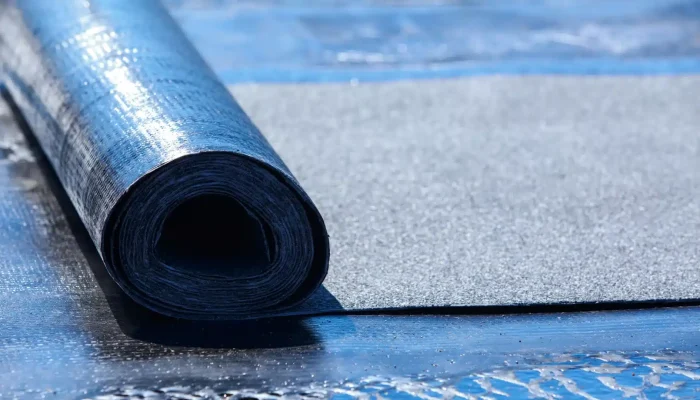
Modified bitumen (“mod bit”) is asphalt that has been engineered with polymer modifiers and reinforced with polyester or fiberglass, then manufactured into rolled sheets. Think of it as the modern descendant of built-up roofing: the same asphalt-based waterproofing, delivered in consistent, factory-controlled layers.
There are two membrane families, and the difference matters in Florida:
Most mod bit roofs are installed as two-ply systems: a base sheet plus a granulated or reflective-surfaced cap sheet, giving the roof built-in redundancy that single-ply membranes don’t have.
Two plies of waterproofing mean surface wear rarely reach the deck — a real advantage under Florida’s punishing UV and rain cycles.
Granule-surfaced cap sheets shrug off the rooftop HVAC service traffic that punctures thinner membranes.
Damaged sections can be patched compatibly and permanently — repairs bond asphalt-to-asphalt rather than relying on adhesives and primers alone.
Fully adhered mod bit assemblies, properly detailed at edges and penetrations, are engineered to meet Florida’s wind uplift requirements.
Modern reflective cap sheets and coatings narrow the energy-efficiency gap with white single-ply membranes.
When comparing modified bitumen roofing vs. built-up roofing, the main difference is how the asphalt-based layers are assembled. Built-up roofing is created on-site with multiple alternating plies of bitumen and reinforcing felts, while modified bitumen uses factory-engineered rolls that provide more consistent thickness and faster installation. Both systems offer layered protection and strong repairability, but modified bitumen is often preferred when property owners want a lighter, more streamlined asphalt-based system. For a deeper look at traditional multi-ply assemblies, visit our Built-Up Roofing (BUR) services page.
This is the comparison most Tampa Bay property owners are actually making, so here’s the honest version:
Choose modified bitumen when your roof experiences regular foot traffic, you prefer the added protection of multiple plies, or you want a system that is easy to repair in the future. It is also a strong option when re-covering an existing asphalt-based roof where material compatibility is important.
Choose TPO when energy efficiency is a priority. Its bright white membrane reflects Florida’s intense sunlight, helping reduce heat absorption and cooling demands. TPO may also be the better fit when a lightweight, budget-friendly single-ply system is preferred.
Choose EPDM when simplicity and affordability are the main considerations. It remains a dependable, proven roofing system, though its darker surface typically absorbs more heat than reflective membrane options.
We install all of these systems, so our recommendation follows your building’s needs — layout, drainage, equipment, budget, and energy goals — not a product we’re locked into.
We install SBS and APP modified bitumen systems using the attachment method best suited to your building, including self-adhered, cold-applied, and heat-welded applications. Every installation includes careful attention to the details that have the greatest impact on flat roof performance, such as edge metal, flashings, penetrations, and drainage.
Splits, open seams, blistering, ponding-water damage, and storm-related issues can often be repaired without replacing the entire roof. Because modified bitumen repairs create an asphalt-to-asphalt bond, a properly completed patch restores the membrane instead of simply covering the visible damage.
Aging modified bitumen roofs with structurally sound plies may be excellent candidates for a reflective roof coating. Restoration coatings add UV protection, improve energy efficiency, and can extend the roof’s service life at a fraction of the cost of a full replacement.
Scheduled inspections, especially before and after hurricane season, help identify small membrane issues before they develop into larger, more expensive problems.
We evaluate the condition of the membrane, seams, flashings, drainage, and insulation for signs of moisture. You then receive a detailed written proposal outlining our findings, recommended options, estimated timelines, and a complete cost breakdown.
Florida’s wind-uplift requirements and local permitting standards guide the roof assembly design. Our team manages the engineering documentation and handles the permitting process from start to finish.
Careful staging, strict safety procedures, weather monitoring, and consistent communication help minimize disruptions to your daily operations. Seam, flashing, and installation quality are checked throughout the project rather than only at completion.
Once installation is complete, we close out the permits, walk the finished roof with you, and provide all warranty documents along with a recommended maintenance schedule.
Thermal cycling is the silent roof-killer in Florida. Membranes expand in the afternoon heat and contract in evening storms, every day, for decades. SBS-modified membranes are engineered specifically for that movement, which is a key reason mod bit has such a long service record across Tampa Bay’s commercial corridors.
Most properly installed two-ply mod bit systems last 15–25 years in Florida, and reflective restoration coatings can extend that further. Drainage and maintenance frequency are the biggest variables.
Pricing depends on roof size, the number of plies, attachment methods, insulation needs, and existing roof condition. After an inspection, you’ll receive a written proposal with system options and full cost breakdown.
Neither is universally better. Mod bit wins on foot-traffic durability, repairability, and layered redundancy; TPO wins reflectivity and installed cost. Because we install both, we’ll recommend the one that fits your building, and explain why.
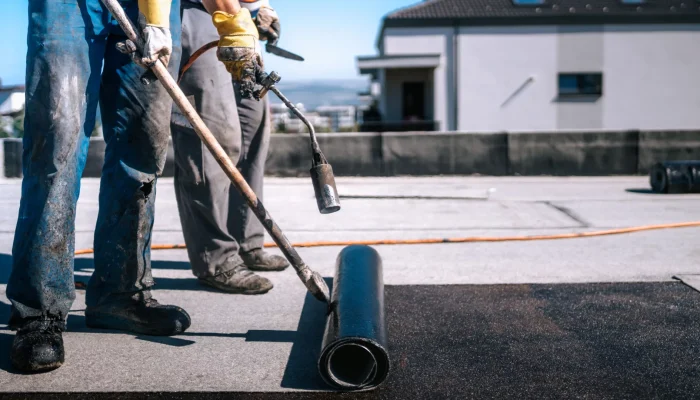
Torch application requires trained, certified crews and strict fire-safety protocols. Where a building calls for a flame-free approach, we install self-adhered or cold-applied SBS systems that deliver the same layered protection.
Often, yes. If the plies are fundamentally sound, targeted repairs or a restoration coating can add years of life. Our free assessment gives you an honest answer either way.
Whether you’re comparing systems for a replacement, dealing with a leak, or planning ahead of hurricane season, Classic Roofing & Construction will assess your roof and give you clear, honest options.