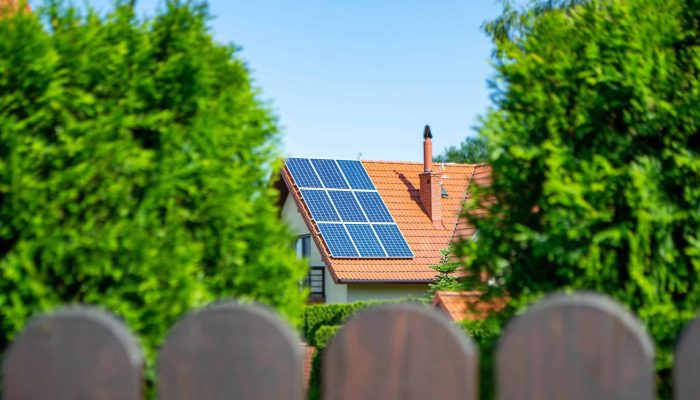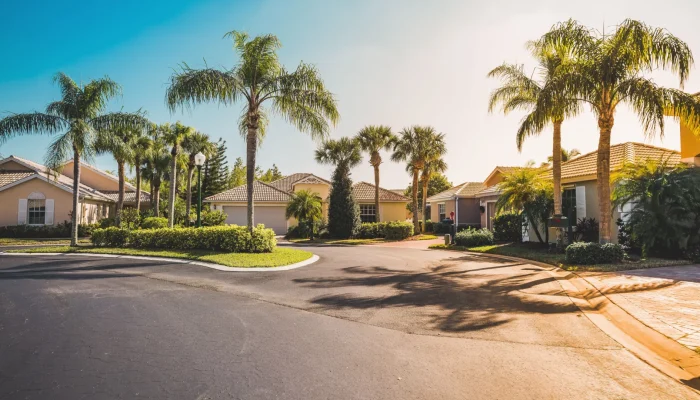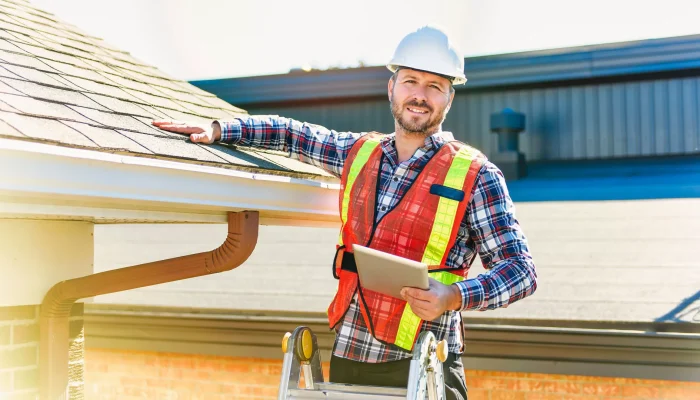

Put the same roof in two different parts of the country, and Tampa Bay will probably be the tougher assignment. Around here, months of intense sun give way to heavy summer rain, tropical weather tests wind resistance, and homes closer to the water fight daily with the salty air.
That’s one thing to remember as you compare Tampa Bay roofing services: where you live changes what makes sense for your roof. The right material, installation method, and even fasteners can change from one property to another.
At Classic Roofing & Construction, we’ve spent more than 20 years working in Tampa Bay. This guide breaks down how our local climate and Florida’s roofing requirements influence your decisions when you’re repairing or replacing the roof over your head.
What Tampa Bay’s Climate Means for Your Roof
“Built for Florida” sounds so reassuring, but it leaves out a pretty important question: which part of Florida? Tampa Bay has its own mix of conditions that can affect which roofing materials make sense and how they’re installed:
- Hurricane Wind Requirements: Tampa Bay isn’t part of Florida’s High-Velocity Hurricane Zone, but local roofs still face strict wind-design requirements. Products need the appropriate Florida approvals and must be installed according to those specifications.
- UV Exposure and Thermal Cycling: Florida sun heats roofing materials day after day, followed by cooling overnight. That repeated expansion and contraction can accelerate wear, especially on aging asphalt shingles.
- Salt Air Corrosion: Closer to Tampa Bay or the Gulf, salt air can speed up corrosion on fasteners, flashing, and other metal components. Coastal homes may need materials and components selected specifically for that exposure.
Florida Building Code Requirements Tampa Bay Roofers Must Follow
If you’re comparing roofing services in Tampa Bay, understanding the basics can help you ask better questions and level expectations.
Permit Requirements for Roof Replacement in Tampa and Hillsborough County
A full roof replacement in Hillsborough County requires a building permit and inspections, and if you’ve hired a contractor to manage the project, the permit should generally be pulled under that contractor’s license.
Florida allows an owner-builder exemption in certain situations, but replacing your own roof in Florida comes with specific responsibilities under Florida Statute 489.103. Pinellas and Pasco counties also handle their own permitting processes.
Underlayment Requirements Under the Florida Building Code
The roofing material gets most of the attention, but underlayment is the backup layer sitting between it and your roof deck. If wind-driven rain gets beneath the shingles, tile, or metal, that extra barrier matters a lot.
Florida’s underlayment requirements vary by roof type and approved assembly, so two roofing estimates can call for different products without either one necessarily being wrong.
Insurance and the 25% Re-Roof Rule
Perhaps you’ve heard that replacing or repairing more than 25% of a Florida roof automatically requires replacing the rest. That’s no longer the whole story. Exceptions apply to certain roofs permitted and installed under the current code or one of the two previous editions, while older roofs may face additional requirements.
Before planning a large repair, confirm what applies to your roof with the local building department and check any coverage questions directly with your insurer.
Best Roofing Materials for Tampa Bay Homes
Ask three Tampa Bay homeowners about the best roofing material, and you could easily get three different answers. That’s because tile, metal, and shingles each have unique benefits here.
- Clay and Concrete Tile: Tile feels right at home in Florida, holding up well under intense sun with a long potential lifespan. Different tile roof types perform differently in Florida’s climate, while the classic curved look of barrel tile roofing comes with its own pros and cons.
- Metal Roofing: Metal roofing expertly handles wind and rain, and has an exceptionally long lifespan. Among the metal roof types used in Florida, standing seam systems conceal fasteners, while homes closer to salt air may require extra attention to corrosion.
- Asphalt Shingles: Shingles keep upfront costs lower and offer plenty of styles to choose from, but Florida’s sun isn’t particularly gentle on them. Product quality and wind approval matter here, and Owens Corning’s shingle lines give homeowners several options depending on their desired look and performance.
How to Evaluate Tampa Bay Roofing Services and Contractors
Once you’ve narrowed down what you want on the roof, the next question is who you trust to install it. Comparing Tampa Bay roofing services gets easier when you look past the sales pitch and check a few things for yourself.
License Verification and What Florida Requires
A license is one of the easiest things to check before a roofer ever sets foot on your property. Florida has two types you’ll commonly run into: Certified Roofing Contractors and Registered Roofing Contractors, with the latter limited to where they’re authorized to work.
What the Contract Should Include
Don’t let the total at the bottom of the page do all the talking. A good roofing contract should spell out what’s being installed, who’s handling the permit, how payments work, and what the warranties cover.
Reading Reviews and Verifying Insurance
Five stars catch your eye. The comments underneath them tell you what working with the roofer actually looks like. Look through homeowner reviews for comments about communication, workmanship, cleanup, and how problems were handled. You should also ask a contractor for current proof of insurance before work begins.
Common Mistakes Tampa Bay Homeowners Make When Replacing a Roof
- Letting Price Make the Whole Decision: It’s tempting to jump at the lowest number, especially when roof estimates are thousands of dollars apart. Take a closer look at the materials and work included first, as you might find those two quotes aren’t actually quoting the same roof.
- Skipping the Product Approval Check: A roofing product being sold in Florida doesn’t automatically mean it’s approved for your particular project. Ask your roofer what they’re installing and which Florida Product Approvals apply.
- Ignoring What’s Already on the Roof: What’s underneath the new roof can change the plan. If your home already has the maximum number of roofing layers allowed, you can’t simply add another one on top. That can turn what looks like a straightforward job into a tear-off.
- Forgetting About the Final Inspection: The crew packing up doesn’t necessarily mean all the paperwork is finished. Make sure the final inspection passes and the permit closes so an old roofing permit doesn’t pop up when you’re trying to sell or refinance years later.
- Calling Your Insurer After the Fact: Give your insurance company a call before the project starts. They can tell you what documentation they want and whether the replacement affects your policy, saving you from trying to piece everything together afterward.
A little homework before a roof replacement can save you from a lot of second-guessing later. Once you know what to ask about, you can have a much better conversation with your roofer.
That’s the kind of conversation we welcome at Classic Roofing & Construction. If you’re comparing Tampa Bay roofing services, bring your questions. We want to know your goals and why. After all, the best time to understand your new roof is before the old one comes off.
FAQs
Do I need a permit to replace my roof in Tampa?
Yes. A full roof replacement requires a permit, and when you’ve hired a roofing contractor to manage the job, the permit should generally be under that contractor’s license. You’ll also have inspections along the way before the permit can be closed.
What roofing material lasts longest in Tampa Bay’s climate?
Tile and metal are generally the longest-lasting roofing materials in Tampa Bay, both lasting decades with proper care. The best choice depends on your home’s structure, location, and budget.
How do I verify a Tampa Bay roofing contractor is licensed?
Search the contractor’s name or license number in the DBPR database and confirm the license is active. If they’re a Registered Roofing Contractor rather than a Certified Roofing Contractor, you’ll also want to make sure they’re authorized to work in your area.
Will my homeowner’s insurance cover a roof replacement in Tampa?
Storm damage may be covered depending on your policy, while normal aging and wear typically are not. Your insurer can tell you what your particular policy covers before you start a claim.
What is a Florida Product Approval and why does it matter for my roof?
Think of it as a way to check whether a roofing product has been approved for use under Florida’s building requirements. Your contractor should be able to identify the applicable approvals for the products going onto your roof. It’s a useful detail to ask about, especially when you’re comparing estimates.