
Metal Roof vs. Shingles in a Hurricane: Which Holds Up?
Blue tarps became a familiar sight across many Florida neighborhoods after hurricanes Helene and Milton. For homeowners planning roof replacements, these storms also sparked an important question: When it comes to a metal roof vs. shingles in a hurricane, which option actually holds up better?
At Classic Roofing & Construction, we’ve spent decades helping homeowners recover from storm damage and prepare for future hurricane seasons. We’ve seen firsthand how different roofing systems perform when high winds, flying debris, and heavy rain put them to the test.
In general, metal roofing has the advantage. Standing seam systems can withstand higher wind speeds, resist uplift more effectively, and are less prone to water intrusion once a storm begins. That said, the roofing material is only part of the story. Here’s what Florida homeowners should know about hurricane-resistant roofing before making a decision.
What Makes a Roof Hurricane-Resistant in Florida
Your roof’s ability to withstand a storm depends on the entire system, from the roofing material itself to the fasteners, flashing, and installation quality. Depending on the structure and location, metal roofs and asphalt shingles can be installed throughout the Tampa Bay and Sarasota area to withstand wind speeds ranging from 130 to 160 mph. The difference often lies in how each system performs when hurricane-force winds, flying debris, and wind-driven rain put the roof under pressure.
The Three Ways Hurricane Winds Destroy a Roof
- Wind Uplift: Hurricane winds create suction across the roof surface, pulling upward on roofing materials and testing every fastener, seam, and adhesive bond.
- Impact Damage: Flying debris can crack, dent, puncture, or otherwise damage roofing materials during a storm.
- Water Infiltration: Once the roof covering is compromised, wind-driven rain can penetrate beneath the surface and into the structure below.
Head-to-Head: Metal Roof vs. Asphalt Shingles in a Hurricane
Most homeowners want to find the right balance between hurricane protection and cost.
Metal roofing typically costs more upfront than asphalt shingles, but it is a better long-term investment in durability and storm protection. Its stronger fastening systems, larger panels, and fewer exposed seams make it more resistant to high winds and water intrusion.
On the other hand, asphalt shingles provide excellent protection at a lower upfront cost when installed correctly and remain one of Florida’s most popular roofing materials.
Standing-Seam Metal Roof in a Hurricane
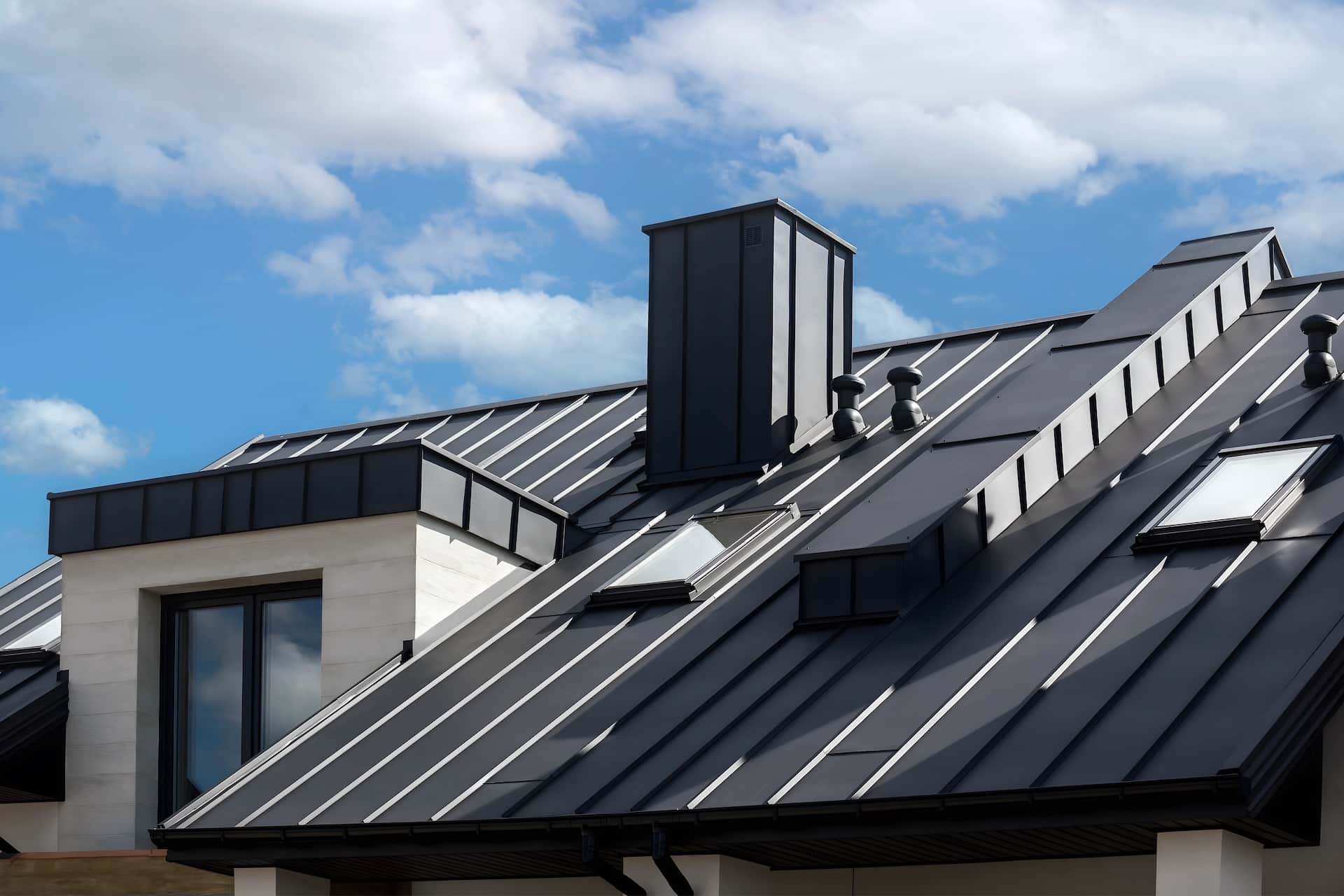
Standing-seam metal roofs hold up exceptionally well after major storms throughout the Tampa Bay area, though installation quality still plays a major role in overall performance. Featuring hidden fasteners that sit beneath interlocking seams, they eliminate one of the most common weak points found on other roofing systems.
What Are Hurricane-Rated Shingles (Impact Resistant Shingles)?
“Hurricane-rated shingles” typically refer to architectural or impact-resistant shingles designed to meet higher wind-resistance or impact-resistance standards. Compared to older 3-tab shingles, they offer stronger performance and may qualify for wind mitigation discounts through some Florida insurance providers. But even high-performance shingles can become vulnerable if wind gets beneath them, which is one reason standing seam metal roofing is often the better choice.
Exposed-Fastener Metal Panels — The Caveat
Homeowners comparing the best types of metal roofs for Florida homes should understand how exposed-fastener and standing seam systems differ before making a decision. Exposed-fastener systems feature screws and rubber grommets that remain exposed to Florida’s sun, heat, and weather year after year. That doesn’t make them a poor roofing option, but it does create additional maintenance and performance considerations.
How Metal and Shingle Roofs Actually Fail in a Florida Hurricane
Roof failures often begin with a weak point. And hurricane-force winds simply expose it.
How Asphalt Shingles Fail in High Winds
Shingle failures often begin when strong winds lift a shingle’s edge and break its adhesive seal. Once that happens, neighboring shingles become more vulnerable, allowing wind to work its way beneath the roof covering.
As shingles detach, the underlayment and roof deck become exposed to wind-driven rain, increasing the risk of leaks and interior water damage. Many of the shingle roofs we inspect after storms show damage that started at the roof edges, ridges, and other high-pressure areas.
How Metal Roofs Fail in High Winds
Metal roof failures often trace back to poor installation in the flashing, ridge caps, panel seams, or fastening systems. On exposed-fastener roofs, aging screws and grommets are often the weak point.
Common Misconceptions About Metal Roofs and Hurricane Performance
“Metal roofs attract lightning.”
No. Lightning strikes the highest point in an area regardless of the roofing material. Because metal roofing is non-combustible, it can actually reduce fire risk if a strike occurs.
“All metal roofs perform the same in a hurricane.”
Not necessarily. Standing seam systems generally provide better hurricane resistance than exposed-fastener panels because they feature concealed fasteners and interlocking seams.
“Impact-resistant shingles are hurricane-proof.”
Impact resistance and wind resistance are two different things. Impact-resistant shingles are designed to withstand debris strikes, but can still be vulnerable to wind uplift during a major storm.
“Any new roof will handle the next hurricane.”
New roofs often perform better than older ones, but material selection, fastening methods, flashing details, and installation quality all play a role in storm performance.
By now, you’ve probably noticed a theme: there isn’t a perfect roofing material for every home. Metal and shingles both have strengths, and the right choice often comes down to your priorities, budget, and comfort level with risk during hurricane season.
The debate between metal roof vs shingles in hurricane prone areas is a conversation we have with homeowners every day at Classic Roofing & Construction. Before wrapping up, let’s tackle a few of the questions we hear most often when comparing metal roofs and shingles in Florida.
FAQ — Metal Roof vs. Shingles in a Hurricane
Do metal roofs hold up better than shingles in a hurricane?
In most cases, yes. Properly installed metal roofs generally offer better wind resistance and are less vulnerable to uplift than asphalt shingles. That’s one reason many Florida homeowners choose metal roofing when storm protection is top priority.
What wind speeds can asphalt shingles withstand?
Many architectural shingles are rated for winds between 110 and 130 mph, while some premium options are tested to even higher standards. The number on the product brochure is helpful, but installation quality and the roof’s condition play a major role in storm performance.
Are impact-resistant shingles worth it in Florida?
Yes. Impact-resistant shingles are designed to better withstand hail and wind-borne debris than standard shingles, and some may qualify for insurance discounts.
What is the best roof for hurricanes in Florida?
Standing-seam metal roofing consistently ranks among the top performers in hurricane-prone areas. Its concealed-fastener design eliminates one of the most common weak points found in other roofing systems.
Can a metal roof help lower homeowners insurance costs?
Potentially. Florida homeowners who install qualifying roofing systems may be eligible for wind mitigation credits that reduce insurance premiums. The exact savings vary, but it’s a factor many homeowners explore when comparing the long-term ownership costs of metal roofing.